

Atelier Elpis?
Atelier means workshop in French. Elpis (Ἐλπίς) means hope in Greek.
In the Greek myth, Elpis, is what stayed in Pandora's jar after everything else had flown out.
Atelier Elpis was registered as a company before I wrote a word of the white paper below. The ideas came first, though. For a while I had been uneasy about how AI, and the compounding disruptions it speeds up, were changing the way people think, decide and work: faster, and often less able.
I wanted a place to do something about it with my hands, by making things people can hold, play and take part in.
The studio –Atelier Elpis– is that vessel.
The white paper is the thinking it carries.
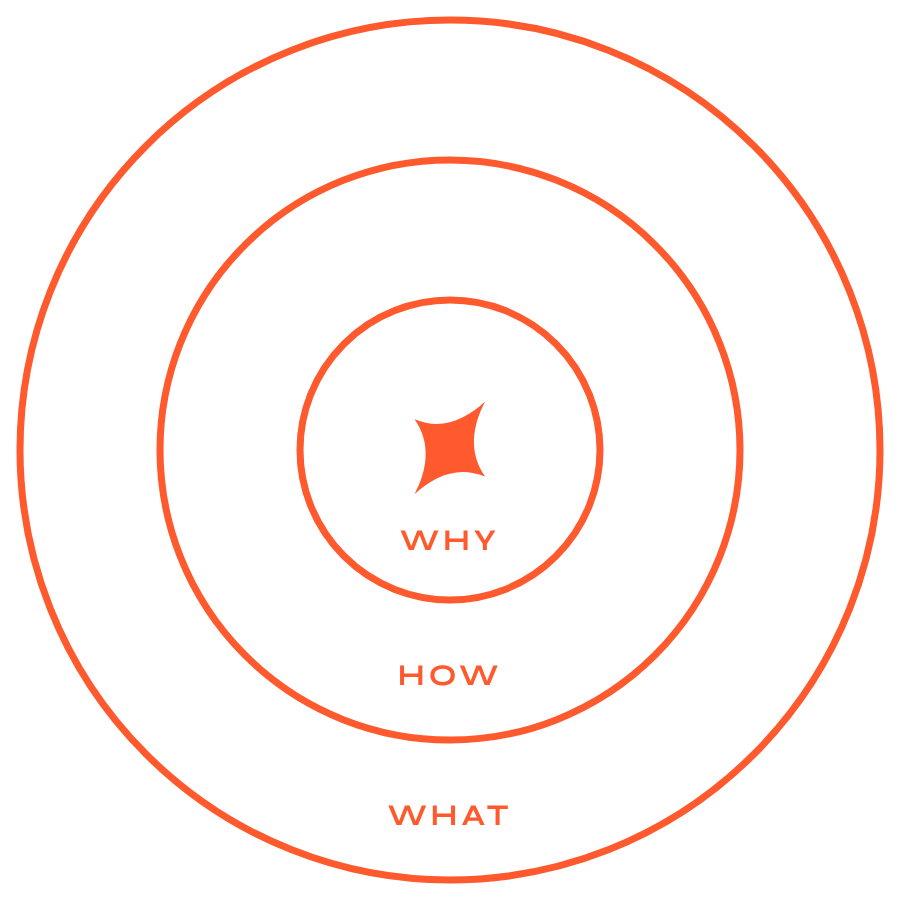
✦ WHY → HOW → WHAT
-
We believe people should stay the authors of their own lives. When disruptions pile up, the first thing to go is the belief that effort still changes outcomes: the capacity to set goals, see pathways to them and act. That capacity, agency and hope, is what we exist to build.
-
We make convivial tools: things that extend people's autonomy and competence, and that people need less over time. Every piece of work answers one question: does it leave a person or an organization more able to set their own goals and see their own pathways to them? We design with the people who will use the work, and we treat hope and agency as things we can measure, with validated instruments.
-
Physical and digital devices, games and interactive art, and social interventions, plus consulting for organizations that want new tools, including AI, to build capacities, foster hope and improve agency.
THEORY OF CHANGE
Technological, ecological, economic and political shocks now arrive together and amplify each other. AI is one of the biggest, and it speeds up the rest. What these disruptions wear down first is agency and hope: the belief that effort still changes outcomes.
We work at three levels, and they depend on each other. More capable people change how organizations work; organizations that keep building capability through change shift what wider systems treat as normal.
Atelier Elpis’* operating framework comes from these core activites and intended impacts.
A note on how we're set up: today Atelier Elpis is a company, registered in Chile, created as a vehicle to test these ideas in practice and learn quickly. We're open to it becoming a social enterprise or a nonprofit as the work grows. That matters most for the systems level, where independence and public trust count for more than speed. For this, a not-for-profit vehicle, possibly a think-and-do tank, seems like a suitable vehicle.
-
For people: Compounding disruptions (technological, ecological, economic and political) erode people’s capacity to set goals, see pathways to them and act. Tools that decide for people, AI chief among them, can accelerate that erosion by trading capability for convenience.
For organizations: Organizations absorb successive shocks while new tools, AI included, raise individual output without becoming organizational capability. Substitution erodes human capital.
For systems: Decisions that shape people’s lives are increasingly made far from them, through opaque systems, AI-assisted ones among them, with weak oversight and accountability.
-
For people: Design and deliver convivial devices, games, interactive art and experiences that build goal-setting, pathways thinking and agency, with structured reflection so that tools augment judgment.
For organizations: Social interventions, facilitation and consulting that help teams plan, decide and adapt together; integrate AI and other technologies to augment judgment and spread skill; and redesign workflows and measures so that individual gains become collective capability.
For systems: Share evidence from our work with people and organizations; model accountable use of AI; convene; and advocate for human-oversight requirements, transparency and disclosure, and channels for participation and contestation in public decisions.
-
For people: Agency-building tools and experiences in use, measured by the number of tools and experiences deployed. Participants completing them, measured by the number of participants and completion rates.
For organizations: Participatory planning and decision processes in place, measured by the number of organizations and teams engaged and processes run. Augmentation-oriented technology practices adopted, measured by the number of practices in use. Capability-based measurement adopted, measured by the number of organizations reporting capability alongside output.
For systems: Case studies and evidence published, measured by the number of publications and convenings. Oversight, transparency and participation practices adopted, measured by the number of institutions adopting them. Citizens and practitioners equipped to demand accountability, measured by the number of people trained or engaged.
-
For people: Increased hope, measured with the Adult Hope Scale (Snyder et al., 1991) before and after. Increased self-efficacy, measured with the General Self-Efficacy Scale (Schwarzer & Jerusalem, 1995). More autonomous and deliberate use of AI and other tools, and reduced maladaptive dependency, measured with the autonomy and competence subscales of the Basic Psychological Need Satisfaction and Frustration Scale (Self-Determination Theory).
For organizations: Increased work engagement, measured with the Utrecht Work Engagement Scale (Schaufeli et al.). Increased psychological empowerment, measured with the Psychological Empowerment Scale (Spreitzer, 1995). Greater adaptive capacity and reduced reliance on substitution.
For systems: More human oversight of AI-assisted decisions, and greater transparency and contestability, measured by the share of AI-assisted decisions with disclosure and a channel to contest them. Growing public demand for accountability.
-
For people: Sustained agency and hope that persist without the tool and through changing circumstances, measured with the Adult Hope Scale at follow-up. Greater goal attainment and reduced learned helplessness. Contributes to SDG targets 3.4 (mental health and well-being) and 4.4 (indicator 4.4.1, ICT skills).
For organizations: Stronger human and collective capability, with capability reported alongside productivity, contributing to SDG indicator 8.2.1 (annual growth rate of real GDP per employed person). Reduced deskilling.
For systems: More people who believe they can influence the decisions that affect them, measured with SDG indicator 16.7.2 (proportion of the population who believe decision-making is inclusive and responsive). Greater satisfaction with public services, measured with SDG indicator 16.6.2. Stronger guarantees of public access to information, tracked by SDG indicator 16.10.2. Fewer opaque, unaccountable decision systems.
Across all levels: Distribution of agency and hope gains across groups, contributing to SDG targets 5.5 (women’s participation and leadership) and 10.3 (equal opportunity).
WHITE PAPER
A longer version of the basis behind Atelier Elpis can be found on the following working white paper, “Designing for Hope and Agency in the Age of AI”.